Our Model at Work
How systems change becomes operational.
This is where SFIA’s operating model shows up.
In daily decisions, workflows, and leadership behaviors inside institutional kitchens. The work is not theoretical. It is embedded, practiced, and sustained.
Upgrading the Current System
Institutional kitchens are already designed for predictability through heat-and-serve models. SFIA does not dismantle that stability.
Instead, the model guides a controlled transition to scratch-cooked food, preserving operational reliability while increasing capability, flexibility, and quality.
-
Where change becomes tangible
SFIA works shoulder-to-shoulder with kitchen teams to redesign how work actually happens:
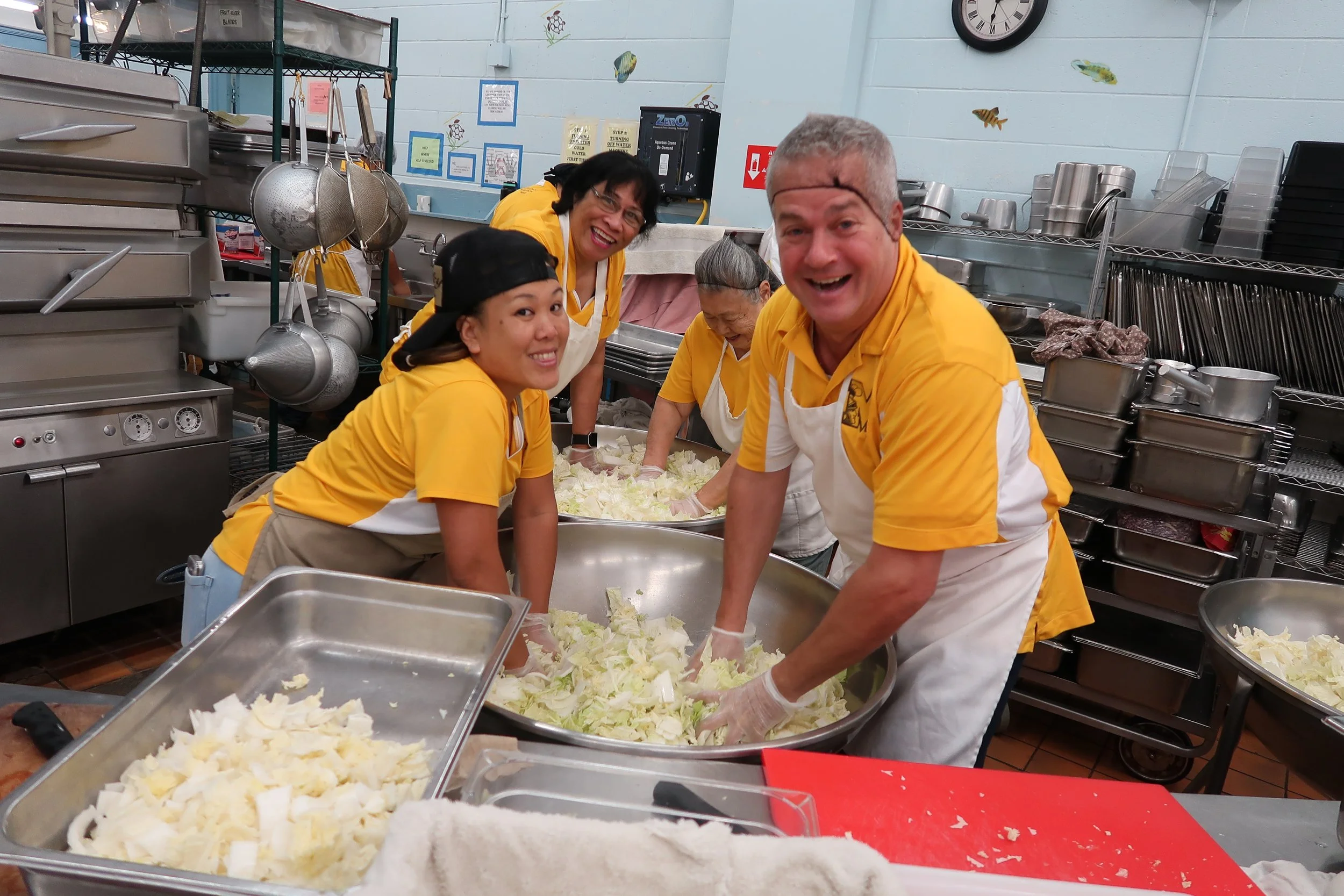
Fresh prep replacing heat-and-serve, without disrupting service
Scratch recipes engineered for volume, time, and labor constraints
Batch cooking and prep schedules aligned to real staffing patterns
SOP rewrites tied to performance metrics that matter
This is where systems change stops being abstract and starts running daily.
-
Where the system sustains itself
Kitchen workers are not recipients of change.
They are the change agents.SFIA invests in:
Coaching and confidence-building on the line
Leadership skill development rooted in daily decision-making
Pride in skilled, essential work
As leadership grows internally, reliance on external oversight disappears.
-
Why the model doesn’t revert
SFIA measures success by what remains after engagement ends:
Workflows continue without SFIA present
Leadership behaviors persist beyond training
Operational decisions reinforce—not undo—the model
This is the difference between implementation and independence.
-
From one kitchen to national scale
Every engagement is designed to travel:
Methods are teachable
Leadership models are transferable
Operations are documented, measurable, and repeatable
This is how SFIA moves from individual kitchens to regional infrastructure and from isolated success to national change.
A Proven Model in Practice
20+ years institutional kitchen operations
1,000+
institutions impacted
200+
kitchen staff developed as operational leaders
25,000+
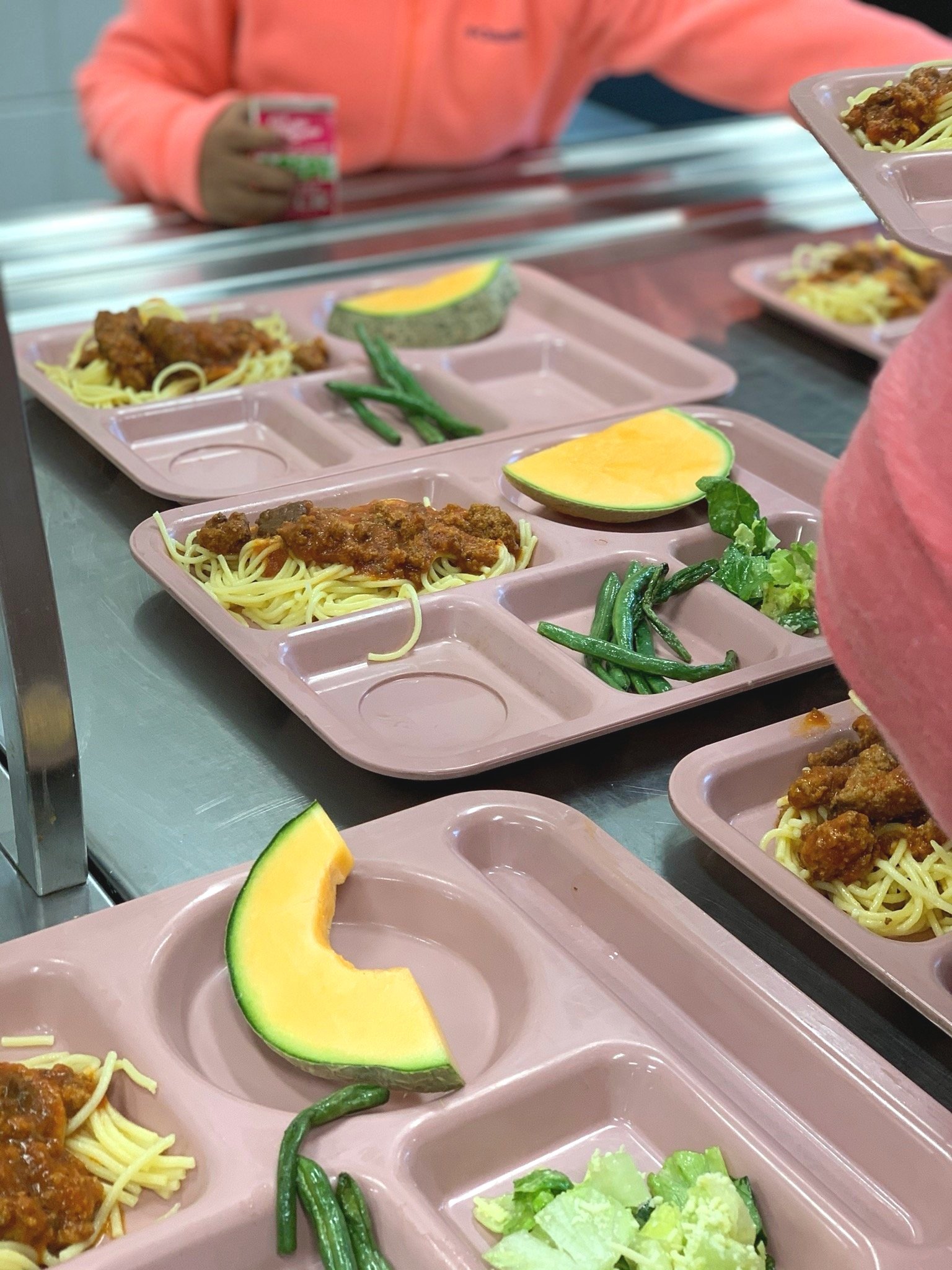
individuals served higher quality scratch-cooked meals
Change happens in real kitchens, under real constraints.
These case studies showcase institutions transforming how they operate—strengthening teams, stabilizing costs, and serving real food with confidence. Each partnership proves that durable change is possible.
LINCOLN, IL
Lincoln Elementary School District 27
Rural district. Constrained budgets. Operational turnaround without regression.
-
Lincoln District 27 transitioned from processed food reliance to scratch-cooked meals across its five schools. Under Superintendent Kent Froebe and Foodservice Director Connie Crawley, the district established local farm partnerships and rebuilt kitchen workflows to support daily scratch cooking.
The shift was embraced district-wide, with teachers integrating food into classroom learning and families participating in food education nights. Parent feedback shifted from complaints to praise as students responded positively to the new meals.
BUFFALO, NY
Westminster Community Charter School
Urban context. Student disengagement reversed through scratch cooking.
-
Westminster faced low cafeteria participation, particularly among 7th grade girls.
Through scratch-cooking training, local procurement alignment, and composting implementation, the school redesigned kitchen operations. Within months of launching scratch cooking, participation increased, including consistent cafeteria engagement among 7th grade girls.
KONA, HAWAII
Kona Community Hospital
Healthcare systems. Cultural alignment and local sourcing at scale.
-
Kona Community Hospital sought to better align its cafeteria with its healthcare mission. The existing menu emphasized processed and meat-heavy options, limiting appeal for vegetarian and vegan staff.
Through culinary training and operational redesign, the hospital transitioned toward scratch cooking, expanded plant-forward offerings, and increased local procurement creating a food program more aligned with its care objectives.
PAWNEE, IL
Pawnee Community Unit School District 11
Rural district. Leadership-driven systems change sustaining scratch cooking at scale.
-
Before transitioning to scratch cooking, students often chose vending machine snacks over cafeteria meals, and staff reported low energy tied to highly processed food.
Under Foodservice Director Kedra Brown’s leadership, the district implemented a 93% scratch-cooked menu. The majority of students now choose school meals, and academic performance has increased since the transition.
Institutions We’ve Worked With