Why Scratch Cooking?
School kitchens shape daily well-being—and the future.
Across the country, school kitchens are responsible for feeding thousands of students each day. Their practices have a profound impact on health outcomes of our youth and the planet.
By prioritizing nourishment over convenience, we can alter the future health landscape, one scratch-cooked kitchen at a time.
What is scratch cooking?
SFIA defines scratch cooking as:
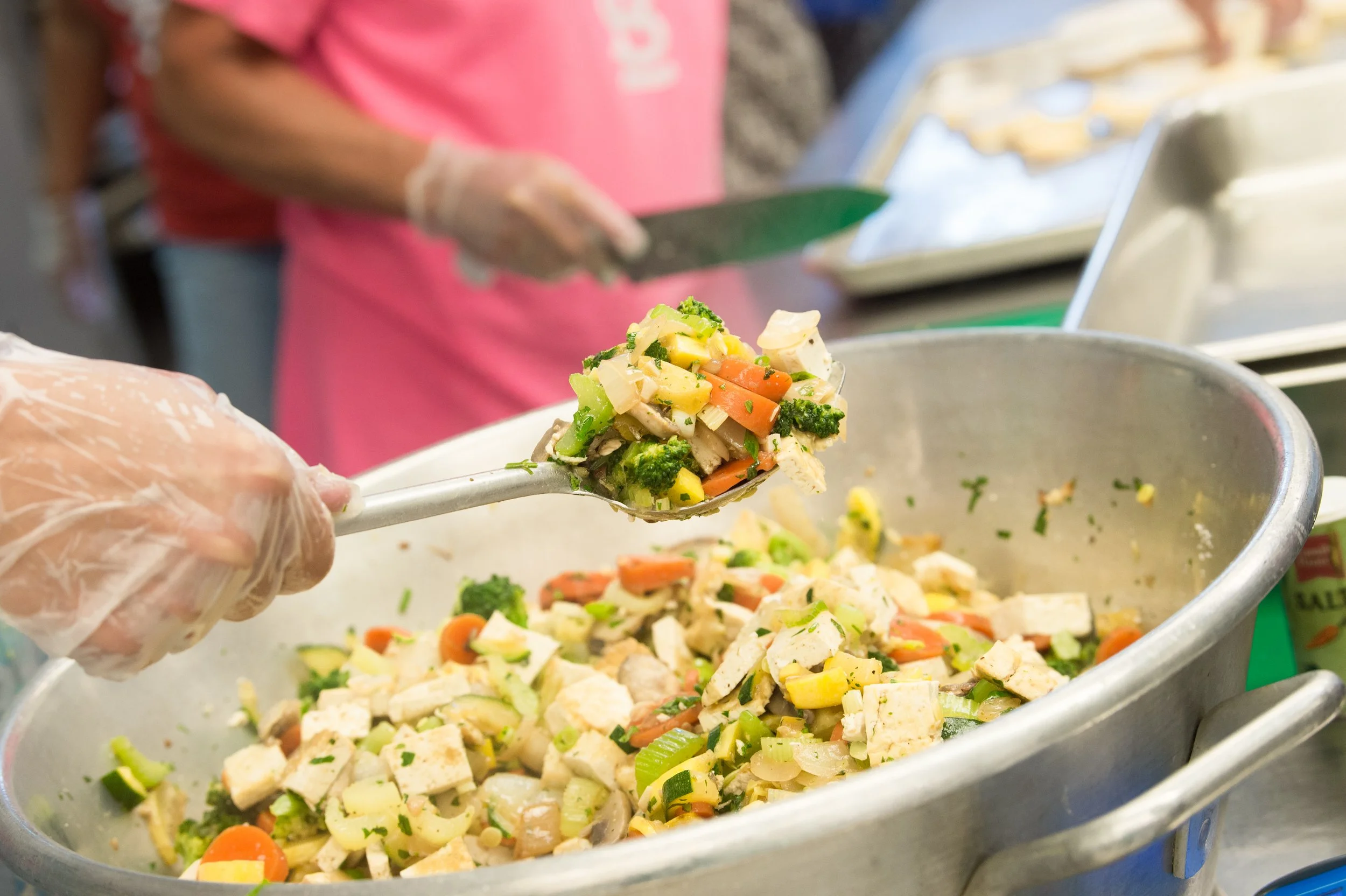
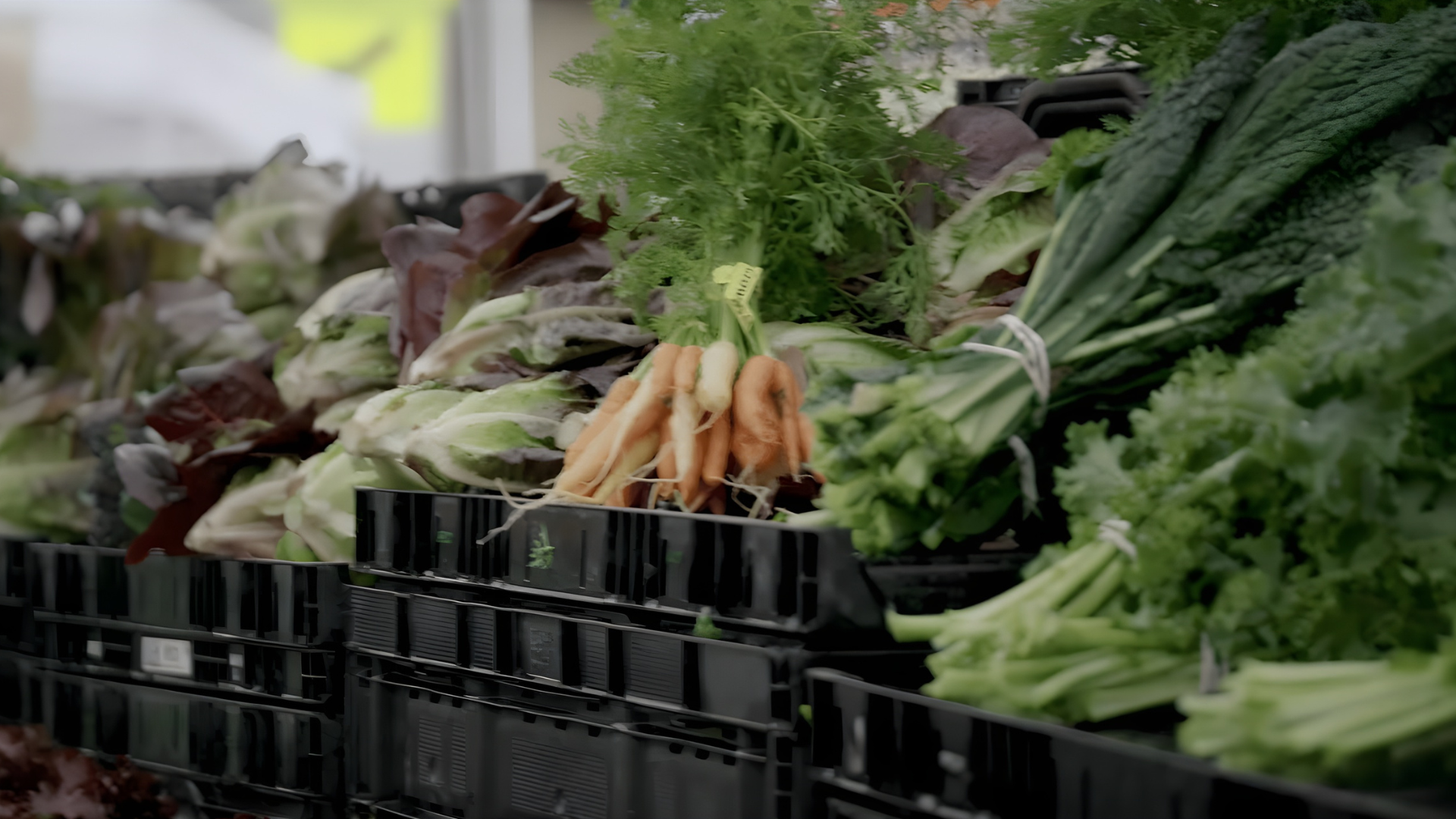
Incorporating whole, fresh ingredients rather than pre-assembled or processed meals and meal components. It prioritizes the use of raw proteins, whole grains, and fresh fruits and vegetables to create nutritious and delicious meals.
The cost of inaction.
Without operational capability, progress remains symbolic.
Schools that continue to serve primarily processed and manufactured food contribute to natural resource depletion, public health continues to deteriorate, and kitchens fall short of their societal obligations which impacts:
-
Healthy food supports academic achievement and sets children on the path to lifelong eating habits to live their best life. Consuming processed foods leads to more school nurse visits, lower academic scores, and behavior issues.
-
1 out of 5 children in America are obese.
1 out of every 3 children in the United States will develop type 2 diabetes.
Processed food contributes to these health outcomes.
-
Food waste contributes to increased food and labor costs within an operation and negatively impacts the environment. We use the term sustainable to define an operation that not only focuses on waste reduction, efficient water and electric usage, and environmentally-responsible food purchases, but also a successful program that maintains cost-neutrality through kitchen efficiencies.
-
When institutional kitchens rely on processed, outsourced manufactured food systems frontline work is deskilled, devalued, and disempowered. This results in high staff turnover.
Change beyond the plate.
When schools regain the ability to scratch cook real food efficiently through operational transformation, several things happen at once: