Pawnee Community Unit School District 11
Pawnee, Illinois
How Pawnee Schools Sustained 92% Scratch Cooking, Without Increasing Costs
A leadership-driven systems model delivering nourishing meals, local economic impact, and cost neutrality in a rural school district.
The Challenge
Like many districts, Pawnee faced tight food and labor budgets, supplier limitations, and participation volatility driven by enrollment shifts and policy changes. Any improvement had to work within existing staffing, procurement, and financial constraints, not on top of them.
At the same time, school meals remained a critical source of daily nourishment for the community. Failure was not an option.
The Opportunity
Under the leadership of Food Service Director Kedra Brown, Pawnee treated the kitchen as the system’s leverage point.
By committing to scratch cooking, disciplined procurement, and data tracking, Pawnee set out to prove that schools can:
Serve high-quality, culturally relevant meals
Source locally year-round
Maintain cost neutrality
Build a durable operating model that lasts beyond pilots
The goal wasn’t experimentation. It was sustainability.
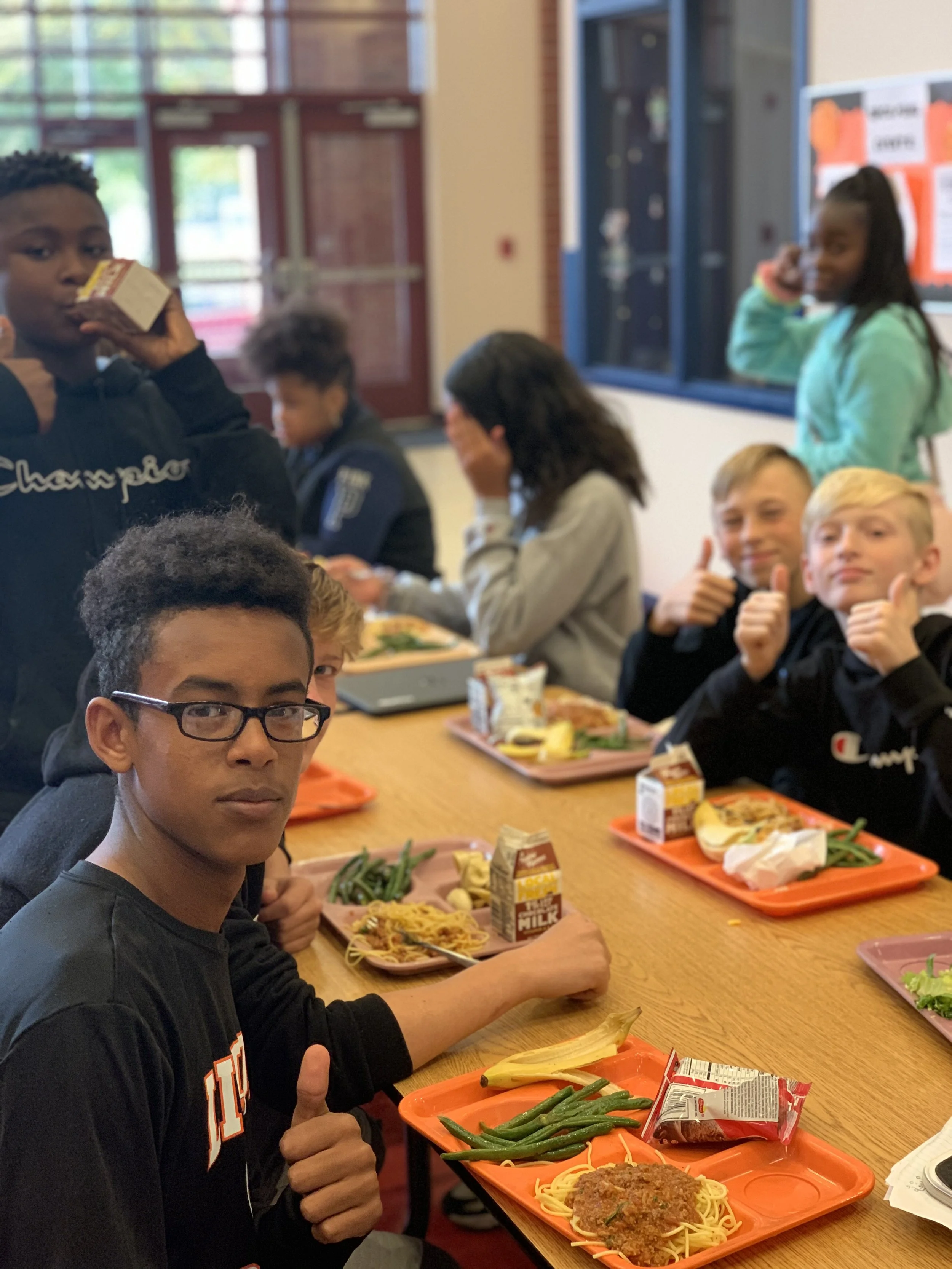
“Pawnee proves that scratch cooking with local food isn’t a pilot, it’s a sustainable operating model.”
Our Approach
-
Scratch-First Operations
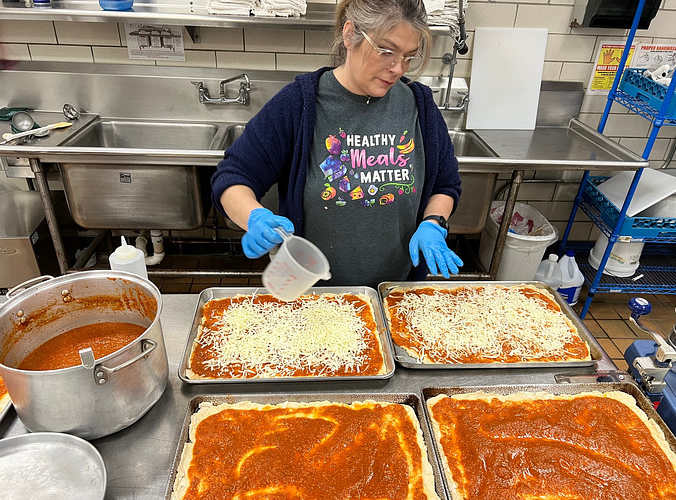
Sustained commitment to a minimum 92% scratch-cooked menu, exceeding national benchmarks.
-
Culinary Leadership
Menu design, recipe development, and daily production led with confidence and clarity.
-
Local Procurement Systems
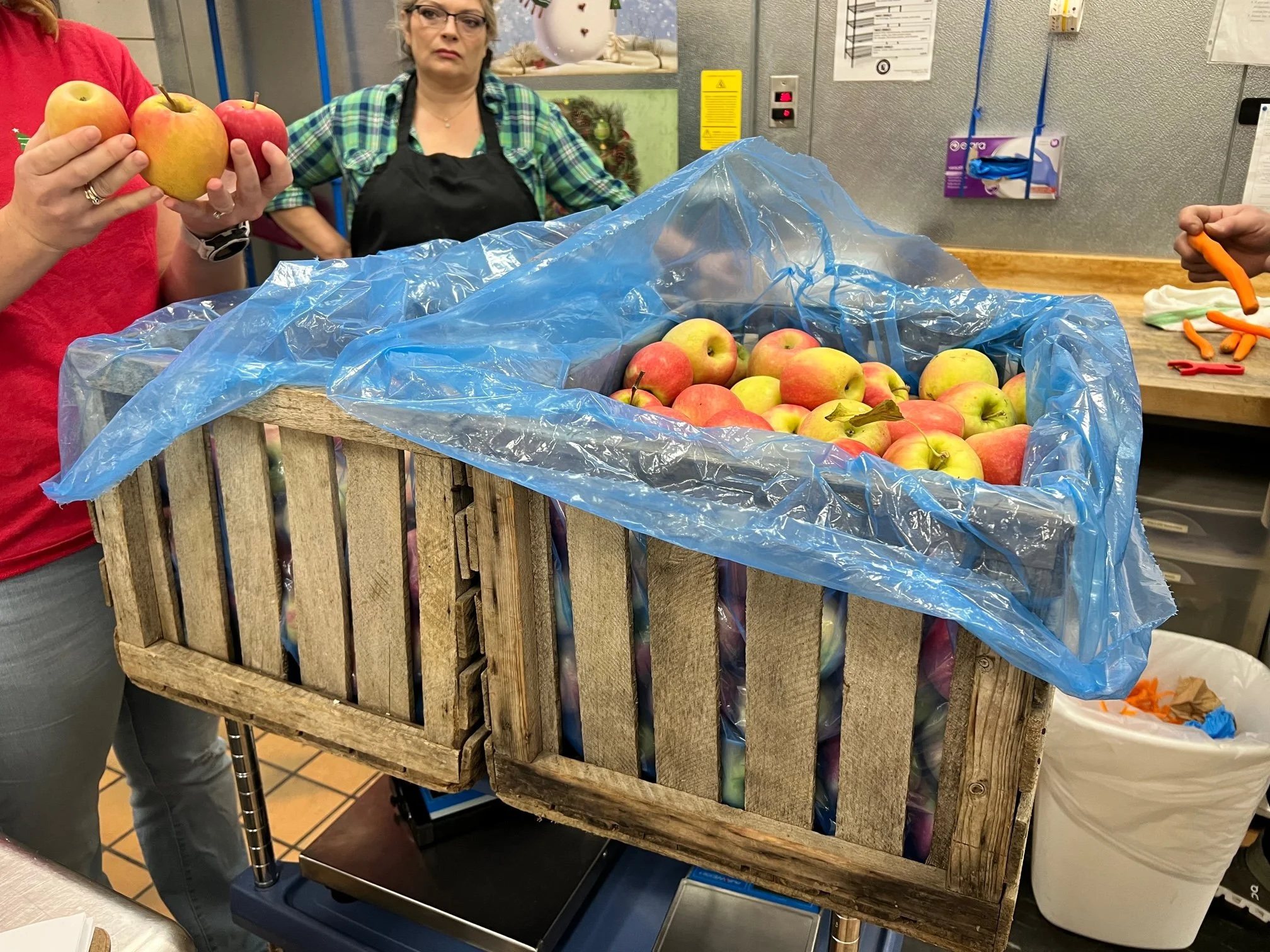
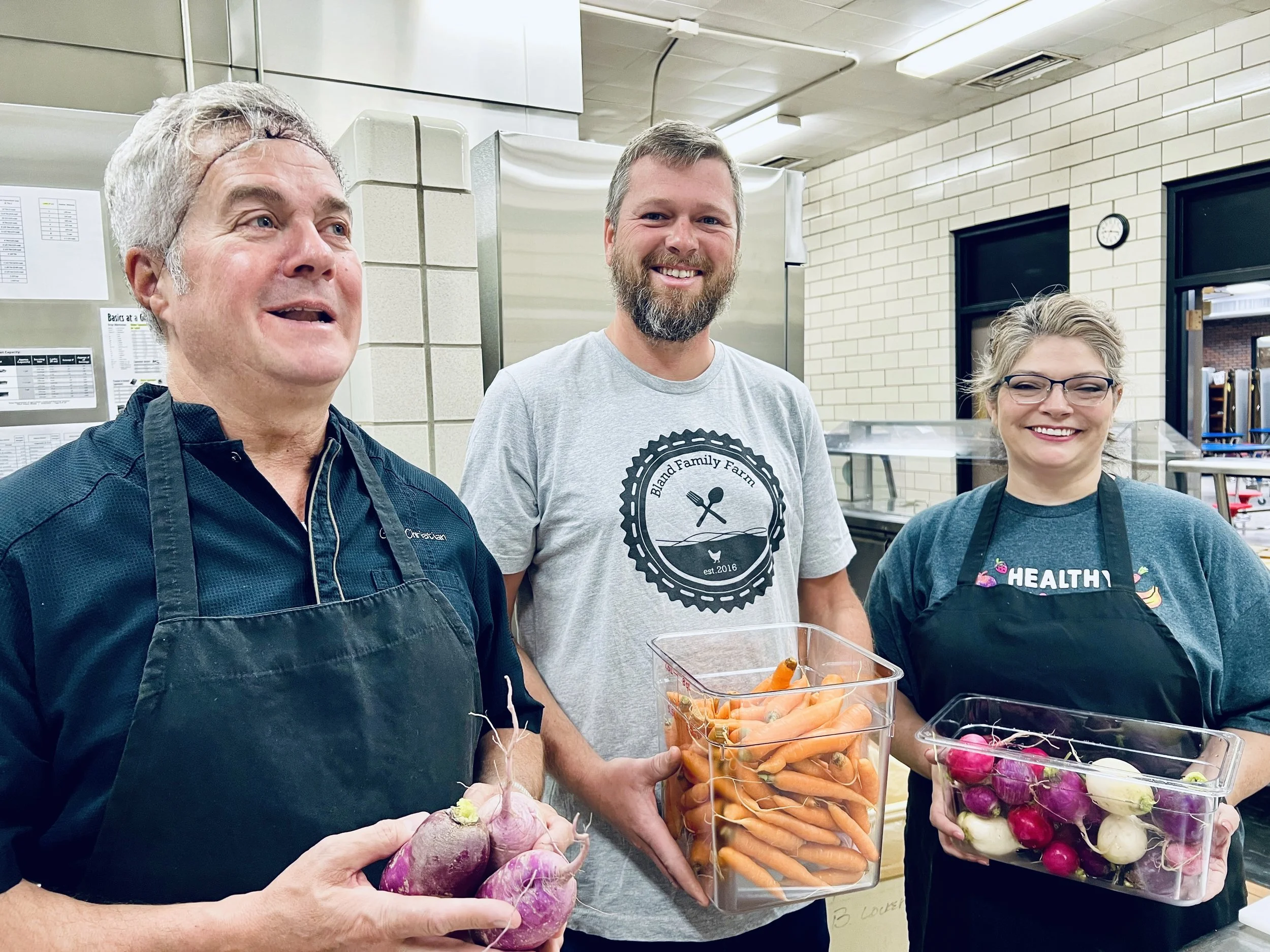
Established year-round relationships with regional farmers, millers, and aggregators, building reliable supply and buying power.
-
Quality & Safety Accountability
Clear standards empowered leadership to reject unsafe or sub-standard deliveries, protecting eater health.
-
Data Discipline
Ongoing tracking of food costs, labor, and overproduction to support cost neutrality.
Early Outcomes
-
One of the highest scratch-cooking rates in the country.
-
Combined food and labor costs averaging ~$5.00 per meal.
-
Consistent year-round sourcing from local producers.
-
Demonstrated leadership in food safety through proactive delivery rejection.
-
Continuous tracking supports efficiency and fiscal discipline.
-
A confident, accountable kitchen team aligned with district leadership.